
Are There Sharks at Cocoa Beach? What Swimmers and Anglers Should Know
October 5, 2026
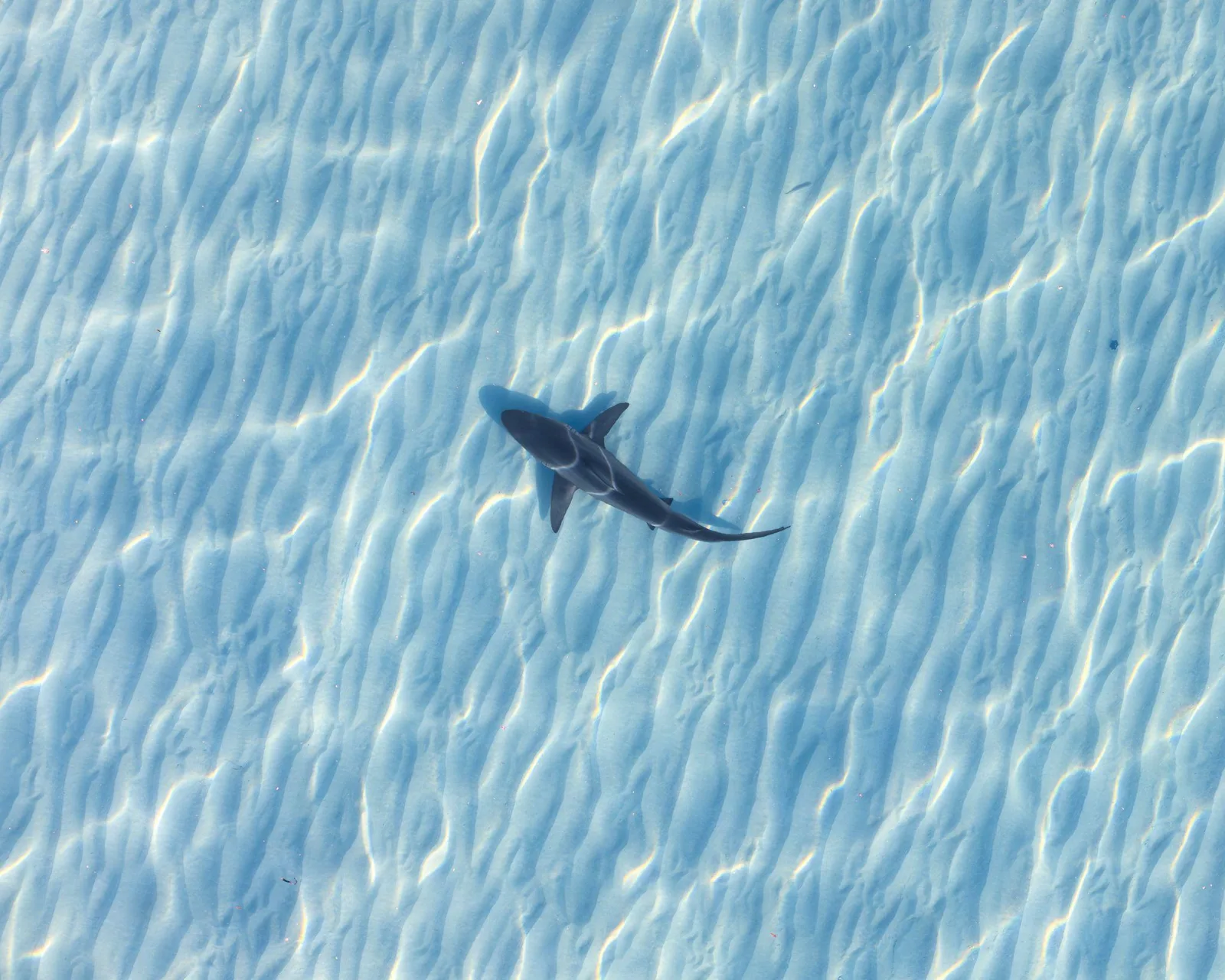
Yes. There are sharks at Cocoa Beach, and there always have been. They live in the surf zone, along the reef edge offshore, and in the brackish water of the Indian River Lagoon. That is true of every beach on Florida’s Atlantic coast, and it is true on calm July mornings as much as during a winter migration.
What matters is not whether they are out there. It is which species, how often anyone actually encounters one, and what conditions bring them closest to people.
Roughly Eighteen Species Share the Water Off Brevard County
Brevard County waters hold around eighteen shark species. The ones you are most likely to be near are small coastal sharks rather than the large predators that dominate headlines.
Blacktip. The most commonly encountered shark off Florida beaches. Blacktips run the Space Coast surf year round and become more abundant once surf temperatures climb past 70 degrees.
Spinner. Frequently mistaken for blacktips and often traveling with them. Spinners grow larger, reach about eight feet, and are known for leaping clear of the water and rotating mid-air when chasing bait.
Atlantic sharpnose. A small coastal species, common and harmless to people.
Bonnethead. A shovel-headed relative of the hammerhead, present year round and more frequent in spring and summer. They feed on crabs, shrimp, and clams.
Bull. Tolerant of brackish water, which puts them in the Indian River Lagoon and other estuaries, particularly after heavy late-summer runoff.
Hammerhead. Larger and less common inshore, more often following bait schools and other sharks.
Great whites pass through Florida waters but are an occasional sighting off Brevard rather than a resident species.
Bite Numbers Put the Risk in Perspective
Florida records more unprovoked shark bites than any other state, and the numbers are still small.
In 2025 there were 11 unprovoked bites in all of Florida, which was 44% of the U.S. total and 17% of unprovoked bites worldwide, and lower than Florida’s most recent five-year annual average of 19 incidents. Worldwide the same year saw 65 unprovoked bites, slightly below the ten-year average of 72.
Most of Florida’s share does not happen here. Volusia County recorded six of the state’s 11 bites in 2025, 54% of the total, while the remaining five were split between Broward, Lee, and Miami-Dade counties. Brevard County, where Cocoa Beach sits, recorded none that year.
Across the full historical record, Brevard has logged about 158 confirmed unprovoked bites since 1882. Volusia has logged 366 over the same period.
New Smyrna Beach Carries the Record, Not Cocoa Beach
Search for the Florida beach with the most shark bites and the answer is New Smyrna Beach in Volusia County, roughly 50 miles north of Cocoa Beach.
The reason is a specific combination of conditions: murky water, a high density of surfers and swimmers, and juvenile coastal sharks like blacktips that hunt by spotting movement, which results in bites on people who are usually larger than the shark itself.
Cocoa Beach shares the same species and the same coastline. It does not share the same concentration of incidents.
Shark Activity Peaks in Two Windows Each Year
Sharks follow bait, and bait follows water temperature. That produces a predictable annual rhythm off the Space Coast.
Late summer, August and September. Mullet, anchovies, and herring begin migrating along the east Central Florida coast, and sharks move in behind them. Historically, more Florida bites have occurred in September than any other month.
Winter, December through March. Blacktip and spinner sharks move south along Florida’s Atlantic coast in large numbers, joined by bull and hammerhead sharks following the same schools. The migration begins in December and January, peaks in late January, and continues through February into March, with the sharks remaining until April before heading back north.
Researchers at Florida Atlantic University’s Elasmobranch Research Laboratory describe these migrating sharks as not predatory toward humans, noting that in clear water they are far more likely to simply swim away.
Murky Water Is the Real Variable
Most bites on this coast come down to visibility rather than aggression. A small shark hunting a bait school in cloudy surf is working on movement and vibration. A hand or foot flashing at the edge of that school reads the same as a fish.
Swimmers and waders account for 46% of unprovoked bites and surfers and board sports for 32%. Those are the two activities that put people in the surf zone, in moving water, at the same depth as the bait.
Basic Habits Lower the Odds
The International Shark Attack File publishes guidance for reducing risk. Stay in groups, since sharks are more likely to bite someone alone; avoid wandering far from shore, which isolates you and puts you away from help; and stay out of the water during darkness or twilight, when sharks are most active.
A few more that follow from how these sharks hunt:
- Skip the water where birds are diving or bait is visibly schooling
- Leave shiny jewelry on the beach, since it reflects like fish scales
- Stay out of murky water and out of channels and inlets on a moving tide
- Do not swim near anyone fishing from a pier or the surf
ISAF’s own assessment is that the risk of being bitten by a shark remains extremely low.
Anglers Meet Different Sharks Than Swimmers Do
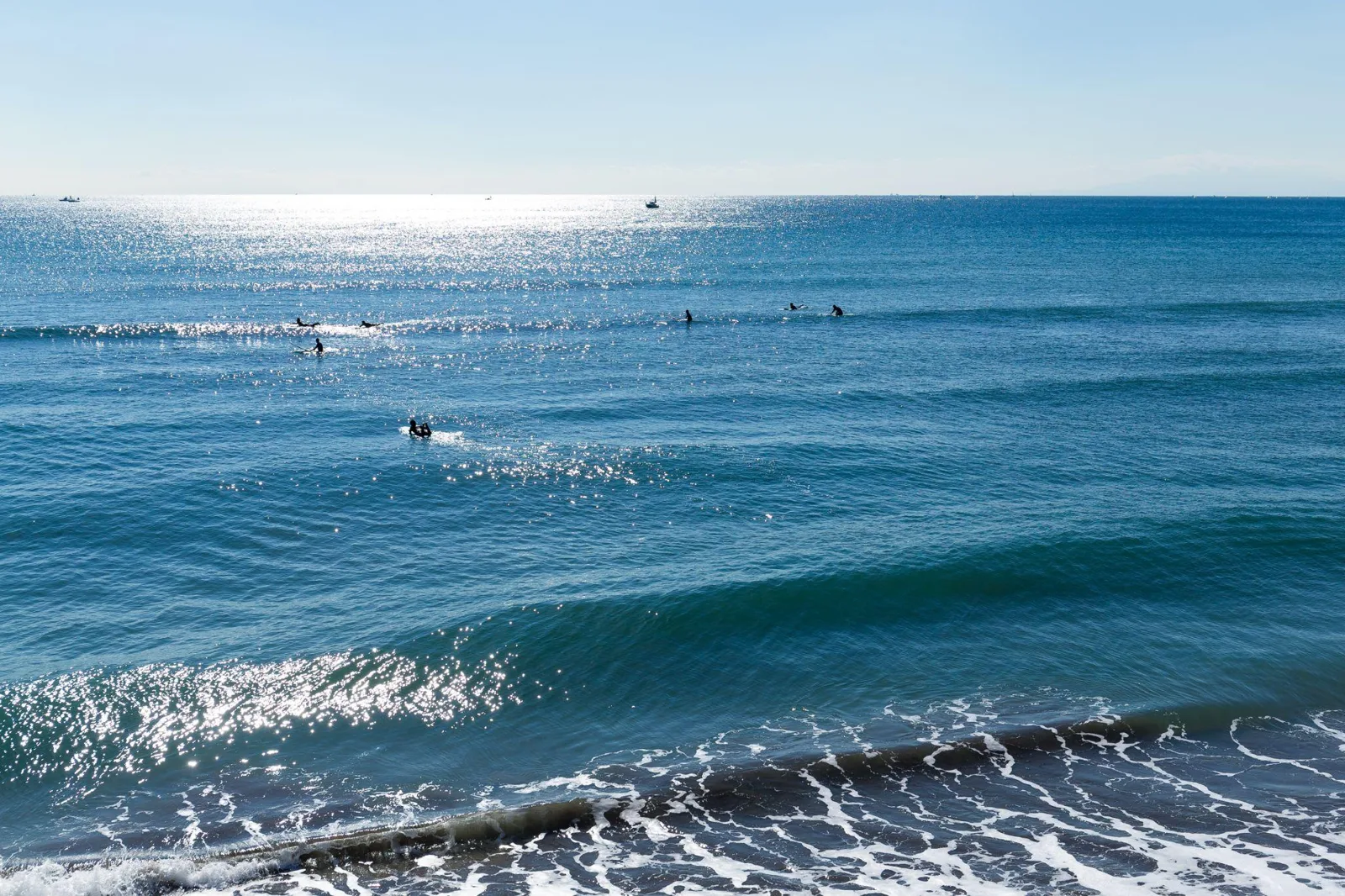
For anyone fishing this coast, sharks are a target rather than a hazard. The species that show up on a line are often the same ones swimming past the beach, encountered under very different circumstances.
Blacktips take fresh cut bait like ladyfish, mullet, or jack crevalle, and run hard. Spinners put on the aerial display they are named for. Bonnetheads fight above their weight on light tackle. Further offshore, larger coastal and pelagic sharks hold near wrecks and reef structure.
Local operators run trips targeting them out of Port Canaveral and the surrounding inlets. Fin & Fly covers this in more detail on its shark fishing charters page, and offshore trips out of the same port are described on the deep sea fishing charters and Cape Canaveral fishing charters pages. Lagoon species and the brackish water where bull sharks range are covered on the inshore fishing charters page.
Frequently Asked Questions
Are there sharks at Cocoa Beach right now?
Almost certainly. Blacktips and other small coastal species are present in Space Coast surf year round, with numbers rising when water temperatures pass 70 degrees. Their presence is constant; encounters with people are not.
How many shark attacks have there been at Cocoa Beach?
Brevard County has recorded about 158 confirmed unprovoked bites since 1882, spread across the entire county and more than 140 years. The county recorded none in 2025.
What beach in Florida has the most shark attacks?
New Smyrna Beach in Volusia County. Volusia has logged 366 confirmed unprovoked bites since 1882, far more than any other Florida county, and it accounted for more than half of Florida’s bites in 2025 with six.
What types of sharks are in Florida?
Florida waters hold dozens of species. The most commonly encountered near beaches are blacktip, spinner, Atlantic sharpnose, and bonnethead. Bull, tiger, lemon, nurse, and hammerhead sharks are also present, with distribution varying by region and season.
Are there great white sharks in Florida?
Yes, though they are visitors rather than residents. Great whites move into Florida waters during cooler months and are tracked along the Atlantic coast each winter. Sightings off Brevard County are occasional and typically well offshore.
When do sharks migrate in Florida?
The main Atlantic coast migration runs from December and January through March, peaking in late January, with sharks heading back north in April. A second concentration occurs in August and September, when bait fish move along the east Central Florida coast.
How common are shark bites in Florida?
Uncommon. Florida recorded 11 unprovoked bites in 2025, below its five-year annual average of 19. Worldwide the figure was 65, against a ten-year average of 72.
What should you do if you see a shark while swimming?
Stay calm and leave the water steadily rather than thrashing. Keep the shark in view as you go, and move toward a group of people rather than away from shore.
Sources
- International Shark Attack File, Yearly Worldwide Summary, Florida Museum of Natural History
- Global shark bites return to average in 2025, Florida Museum of Natural History
- ISAF Florida shark attack data, Florida Museum of Natural History
- Shark attack frequency and rates, United States, Florida Museum of Natural History
- Blacktip shark migration research, Florida Atlantic University